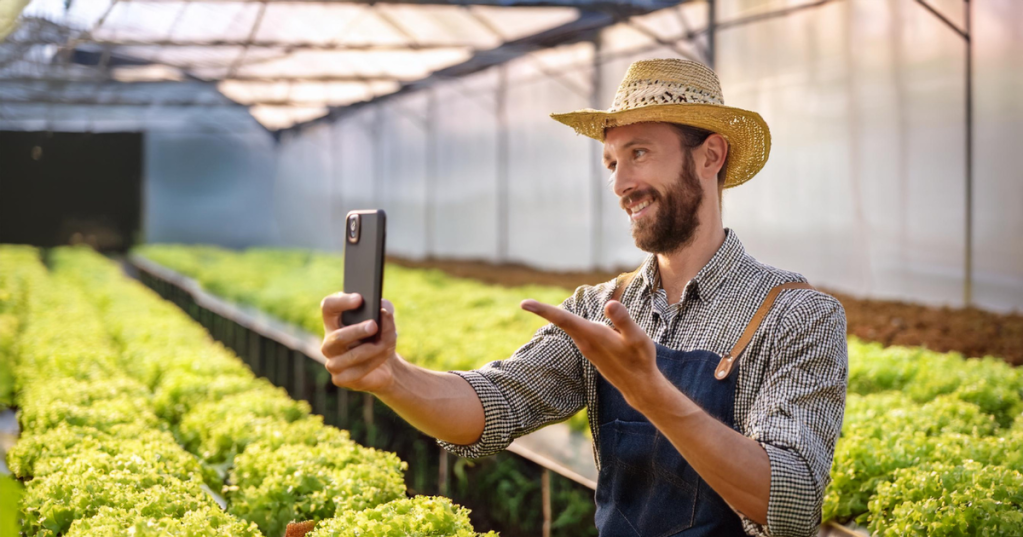

Video content has emerged as a powerful tool for businesses across various industries, including agriculture. For farmers, embracing a video content marketing strategy can be a game-changer, enabling you to showcase your products, share your story, and connect with customers in a way that traditional methods simply cannot.
The Growing Importance of Video in Agriculture Marketing
The agriculture sector is increasingly recognizing the value of digital marketing. With consumers becoming more interested in the origin of their food and the practices behind it, farmers have a unique opportunity to tell their stories directly through video.
However, simply creating videos isn’t enough. To truly benefit from video marketing, farmers need a clear strategy that aligns with their business goals and the stages of the customer journey.
Let’s break down how you can implement a successful video content marketing strategy that helps balance quality and quantity across different stages of the customer journey.
1. Awareness Stage: Capturing Attention with High-Quantity, Quick Videos
The awareness stage is all about getting noticed. Here, the focus should be on creating a large volume of short, engaging videos designed to introduce your farm to a wide audience. This might mean producing videos that offer a glimpse into daily operations, quick tips on sustainable farming practices, or behind-the-scenes looks at your crops or livestock.
Example: Consider a small organic farm that specializes in vegetables production. At the awareness stage, the farm could create a series of 30-second videos highlighting the uniqueness of different varieties, with quick tips on how to prepare them. These videos could be shared on platforms like TikTok or Instagram, where short-form content thrives. By producing multiple variations, the farm can test what resonates most with their audience, maximizing reach and engagement.
Key Takeaways for Farmers:
- Keep It Short: Aim for videos that are 30-90 seconds long.
- Focus on Value: Offer tips, insights, or interesting information about your farm and practices.
- Don’t Worry About Perfection: At this stage, “good enough” quality is sufficient.
- Use Sound Bites: Capture concise, memorable statements about your farm to use in these videos.
2. Interest Stage: Deepening Engagement with Balanced Content
Once you’ve captured attention, the next step is to build interest. At this stage, potential customers are more familiar with your brand and are willing to engage with slightly longer content that provides deeper insights into your farming practices or products. This is where you start to balance quantity and quality, creating mid-length videos that offer more detailed information.
Example: A dairy farm that practices ethical and sustainable farming might produce a 3-minute video showcasing their milking process, highlighting how they ensure the welfare of their cows. This video could be shared on Facebook and YouTube, where viewers are more likely to spend a few minutes watching content that aligns with their values.
Key Takeaways for Farmers:
- Aim for 2-5 Minutes: Create videos that delve deeper into topics of interest to your audience.
- Maintain Good Production Quality: While perfection isn’t necessary, the video should look polished enough to reflect your professionalism.
- Showcase Your Expertise: Use this opportunity to demonstrate your knowledge and passion for farming.
- Repurpose Content: Expand on successful short-form content by creating longer, more detailed versions.
3. Consideration Stage: Emphasizing Quality to Influence Decision-Making
At the consideration stage customers actively evaluate your products or services. Here, the balance tips towards quality over quantity. Your videos should now focus on providing in-depth information that helps viewers make informed decisions.
Example: Imagine a vineyard that’s known for producing organic wines. At the consideration stage, they might create a 10-minute video featuring a virtual tour of the vineyard, including interviews with the winemaker and testimonials from satisfied customers. This high-quality content could be used on the farm’s website and in email marketing campaigns, where potential customers are looking for detailed information before making a purchase.
Key Takeaways for Farmers:
- Create Longer Content: Aim for videos that are 5-15 minutes long, offering comprehensive insights into your farming practices or products.
- Invest in Production Quality: As customers are now closer to making a purchase decision, your videos should reflect the high quality of your offerings.
- Highlight Your Unique Selling Points: Showcase what sets your farm apart from others, whether it’s your sustainable practices, unique products, or customer service.
- Utilize Customer Testimonials: Leverage the power of social proof by featuring satisfied customers who can speak to the quality of your products.
4. Action Stage: High-Quality, Conversion-Focused Videos
The action stage is where your potential customers are ready to make a purchase. At this point, your videos should be top-notch in quality and focused on overcoming any final objections and encouraging viewers to take the next step.
Example: A small farm that offers a CSA (Community Supported Agriculture) program might create a detailed video that walks potential subscribers through the sign-up process, highlights the benefits of joining the CSA, and provides a glimpse into what they can expect in their weekly box. This video should be polished and include a clear call to action, directing viewers to sign up on the farm’s website.
Key Takeaways for Farmers:
- Prioritize Production Quality: Your action-stage videos should be highly polished and professional.
- Focus on Conversion: Address any final concerns your audience might have and provide a clear call to action.
- Showcase Benefits: Highlight the tangible benefits customers will receive by choosing your farm’s products or services.
- Incorporate Onboarding Previews: Give potential customers a sneak peek of what it’s like to be a part of your farm community.
Bonus: Loyalty Stage – Creating Content for Existing Customers
It’s essential to continue engaging your existing customers to foster loyalty and encourage repeat business. Creating exclusive video content for your loyal customers can help keep them engaged and feeling valued.
Example: A local honey producer could create a series of exclusive video tutorials for their customers, showing them creative ways to use honey in their cooking or explaining the health benefits of different honey varieties. These videos can be shared through a customer-only newsletter or a private YouTube playlist, reinforcing the value of staying connected with the brand.
Key Takeaways for Farmers:
- Create Exclusive Content: Offer advanced tips, early access to new products, or behind-the-scenes content to your loyal customers.
- Highlight the Value: Remind your customers of the exclusive resources and community they gain by being part of your farm’s network.
- Use Content in Sales: Leverage these loyalty-stage videos in your action-stage content to show potential customers what they’ll gain by choosing your farm.
Implementing Your Video Content Marketing Strategy
To put these strategies into action, start by mapping out your customer journey and identifying the types of content needed at each stage. Understand common customer questions and pain points, and use this information to guide your video content creation.
Practical Tips for Farmers:
- Plan Ahead: Outline your customer journey and determine the content needed at each stage.
- Repurpose Wisely: Maximize your content creation efforts by repurposing videos for different stages and platforms.
- Collaborate: Work with your sales team to ensure your videos address real customer concerns and questions.
- Focus on Value: Always prioritize providing useful information, even in promotional videos.
- Test and Adjust: Use insights from short-form content to inform your longer videos, refining your strategy as you go.
By carefully balancing the quality and quantity of your video content, you can effectively guide potential customers through their journey – from initial awareness to final purchase and beyond.
Embracing video content marketing is not just an option for farmers looking to grow their business. It’s an essential strategy that can lead to lasting success in today’s digital world.





 DigiBerry
Leave a reply to Top 5 Mistakes Farmers Make on Facebook Pages (And How to Fix Them) – DigiBerry Cancel reply