
Imagine you are a farmer who grows organic vegetables and sells them at a local farmers market. You have a loyal customer base, but you want to expand your reach and increase your sales.
How can you do that without spending a lot of money on advertising or distribution?
One possible answer is social media. Social media is revolutionizing the way farmers interact with their customers, opening up a direct sales channel.
Through platforms such as Facebook, LinkedIn, Instagram, and YouTube, you can connect with potential customers, showcase your products, and build your brand.
Across the globe, farmers are embracing social media as a powerful tool to transform their businesses and connect with consumers more directly.

The Food Marketing Institute (FMI) released a study in 2021 that found that 80% of farmers are now using social media to promote their products. This number has increased significantly in recent years, as more and more farmers are recognizing the power of social media to connect with consumers and build relationships.
FMI’s research also found that farmers who use social media are more likely to see an increase in sales and brand awareness. The study also found that social media can help farmers build a loyal following of customers who are interested in supporting local and sustainable food production.
This shift towards direct sales is driven by several factors, including the rising demand for local, sustainable products, the increasing popularity of online shopping, and the lower costs associated with direct-to-consumer marketing compared to traditional methods.
How to use social media for direct sales?
1. Choose the right platforms
Different social media platforms cater to different audiences and needs. You should identify the platforms where your target customers are most active.
- Instagram and Facebook are popular choices for showcasing products and engaging with followers.
- Pinterest and TikTok can be effective for sharing recipes and lifestyle content.
- LinkedIn can be a valuable tool for connecting with industry peers, potential partners, and suppliers. You can use LinkedIn to share your expertise, build relationships, and gain insights into the latest agricultural trends.
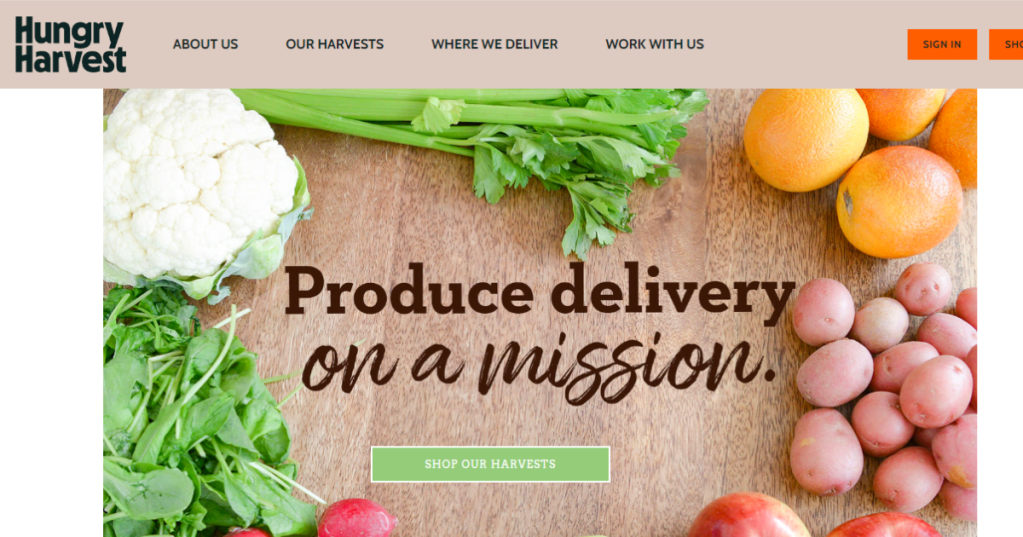
California-based Hungry Harvest is a subscription box service that delivers fresh, locally grown produce directly to customers’ doors. They use Instagram to showcase their vibrant produce, share recipes, and highlight the stories of the farmers who grow their food.
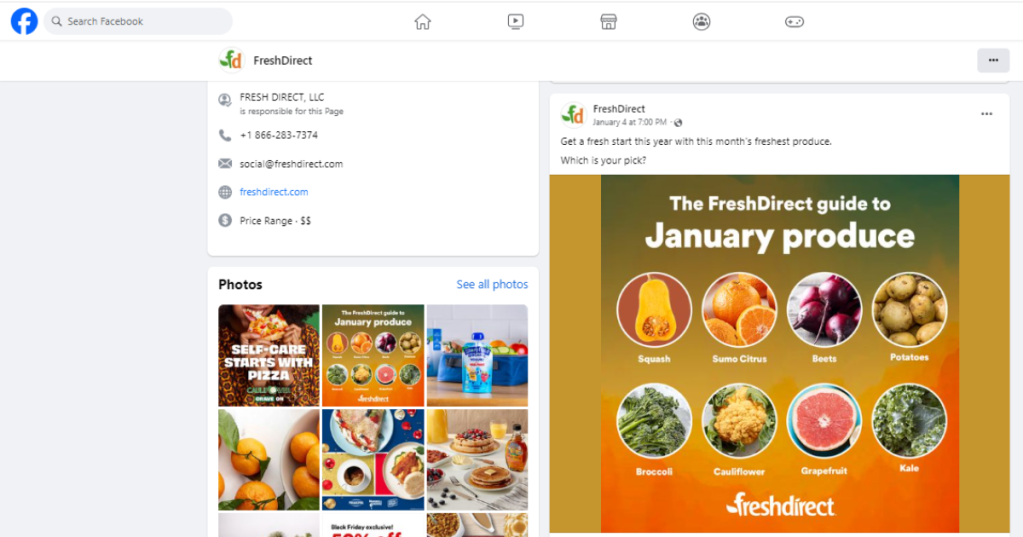
Farmer’s Fresh Direct, a family-owned farm in New York, uses Facebook to connect with customers in their local community. They share updates on their farm’s operations, host virtual farm tours, and offer direct-to-consumer sales through their Facebook page.
2. Create high-quality content
Visually appealing content is essential for capturing attention and driving engagement. Use high-resolution images and videos of your produce, farm operations, and behind-the-scenes glimpses into your day-to-day work. Share recipes, tips on using seasonal produce, and stories about your farm’s history and values.
The Modern Farmer, a lifestyle and food blog, uses Pinterest to share inspiring recipes, tips for home gardening, and images of beautiful produce. Their visually appealing content has helped them amass a large following of food enthusiasts.
Stone Barns Center for Food and Agriculture, a non-profit farm and education center in New York, uses TikTok to create engaging videos that showcase their sustainable practices and educate consumers about food production. Their creative content has garnered millions of views, reaching a wider audience than traditional farming methods.
3. Utilize social media advertising
Paid advertising can help you reach a wider audience and target specific demographics. Experiment with different ad formats and messaging to see what resonates best with your customers.
Little Creek Farm, a blueberry farm in Maine, uses Facebook Ads to target specific demographics and promote their seasonal blueberry sales. Their targeted advertising has helped them reach a wider audience and increase their online sales.
4. Create an e-shop
Invest in a well-designed website or e-commerce platform to provide a centralized online store for your products. Ensure your website is optimized for mobile devices and easy to navigate.
Hungry Harvest, a subscription box service that delivers fresh, locally grown produce directly to customers’ doors, has a user-friendly website that allows customers to easily browse their products, place orders, and learn more about the farm and its mission.
The website also features a blog with recipes and tips on using seasonal produce, further engaging customers and building brand loyalty.
5. Offer incentives and promotions
Encourage customer loyalty by offering discounts, coupons, or exclusive deals to social media followers. Host contests or giveaways to generate excitement and attract new customers.
Hungry Harvest has a loyalty program that rewards repeat customers with discounts and exclusive offers. This program encourages customers to become loyal fans and helps to retain their business.
Farmer’s Fresh Direct regularly hosts contests and giveaways on their Facebook page to generate excitement and attract new customers. These promotions have helped them boost engagement and build their online presence.
6. Track and measure your results
Use social media analytics to track your progress, identify what’s working well, and refine your strategy accordingly.
Little Creek Farm regularly analyzes their social media analytics to track the performance of their posts, identify the most engaging content, and understand their audience demographics. This data-driven approach helps them refine their strategy and optimize their social media efforts.
By implementing these strategies and learning from real-world examples, you can effectively use social media to connect with consumers, build brand loyalty, and boost your direct sales.
As social media continues to evolve, you can harness its power to transform your business, share their stories, and promote sustainable agriculture for a healthier future.




 DigiBerry
Leave a reply to Kaley Brewer Cancel reply