

Social media has transformed the way businesses engage with their audiences, and the agricultural sector is no exception.
Big-name influencers dominate many industries. However, micro-influencers—those with 1,000 to 100,000 followers—are proving to be highly effective in niche markets like farming.
Their authenticity fosters strong audience engagement. They have the ability to connect with specific communities. This makes them invaluable marketing partners for farmers and agribusinesses.
Why Micro-Influencers Matter in Agriculture
Micro-influencers hold a unique advantage in the agricultural space. Unlike celebrities or large-scale influencers, they often have direct experience in farming. This experience in agribusiness makes their content more relatable and trustworthy. Key reasons they are valuable include:
- Trust and Credibility: Micro-influencers have built strong relationships with their audiences, fostering trust in their recommendations and insights.
- Niche Appeal: Many agri-influencers focus on topics like sustainable farming, organic production, or rural entrepreneurship, attracting highly engaged followers.
- Higher Engagement Rates: Studies show that micro-influencers typically have better engagement rates than macro-influencers. Their audience is more likely to interact with their content.
How to Find the Right Micro-Influencer for Your Farm or Agribusiness
Finding the right influencer to promote your farm or agricultural business requires research and strategy. Here’s how to identify them:
- Look at Audience Demographics: Ensure their followers align with your target market. They might be consumers interested in organic food. They also could be fellow farmers looking for innovative solutions.
- Analyze Engagement Rates: More important than follower count, check if their audience actively comments, shares, and interacts with their content.
- Review Content Style and Authenticity: Choose influencers whose values align with your brand and who produce high-quality, engaging content.
- Use Influencer Platforms: Tools like Upfluence and AspireIQ can help. Manual searches on Instagram, TikTok, and YouTube also assist you in discovering the right influencers.
Best Strategies for Collaborating with Micro-Influencers
Once you’ve identified the right influencer, consider these strategies to maximize your partnership:
- Sponsored Posts & Product Reviews: Have influencers showcase your farm products, tools, or services in a natural and informative way.
- Behind-the-Scenes Storytelling: Influencers can document a day on the farm. They can share sustainability practices. Alternatively, they can explain agricultural techniques to educate their audience.
- Giveaways & Discount Codes: Encourage audience participation by offering discount codes or running contests.
- Long-Term Partnerships: Rather than one-off promotions, build ongoing relationships with influencers to maintain consistency and trust with their audience.
Real-Life Examples of Micro-Influencer Success in Agriculture
Micro-influencers have already made a significant impact in the farming industry. Here are two notable examples:
Rebecca Wilson (@RebeccaWilsonFarm): Rebecca is a farmer from North Yorkshire. She has built a loyal following on Instagram and TikTok. She shares insights into her family’s farming life. Her authenticity and transparency have helped raise awareness about farming challenges and opportunities while engaging thousands of followers. She has even used her platform to mobilize support for agricultural causes, demonstrating the real-world power of social media.

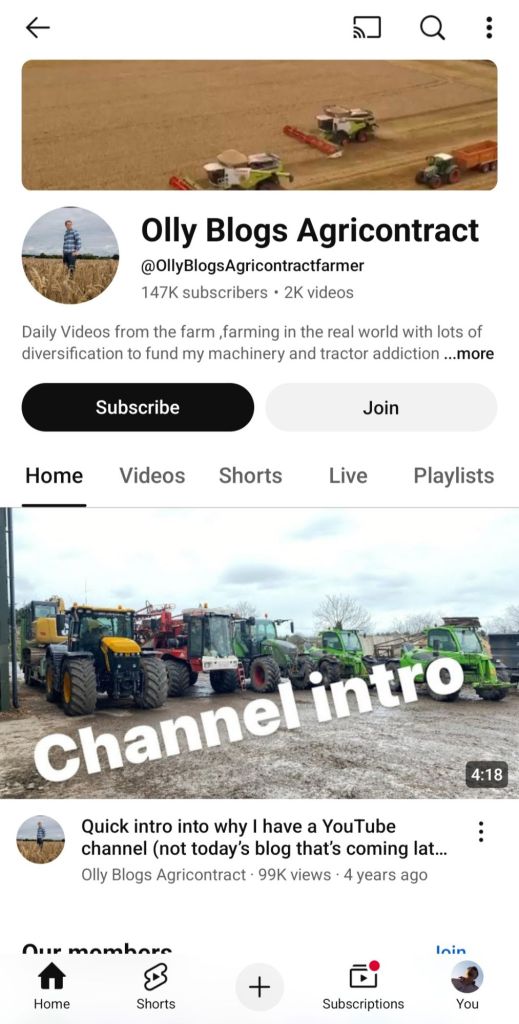
Olly Harrison (@OllyBlogs): Olly is a cereal crop farmer from Merseyside. He has leveraged his YouTube channel to educate viewers on farming practices. He also rallies support for agricultural issues. His content is engaging and informative. This has positioned him as a key voice in the farming community. It showcases how farmers can benefit from digital platforms.
Challenges and How to Overcome Them
While micro-influencer marketing offers many benefits, there are challenges to be aware of:
- Ensuring Authenticity: Work with influencers who genuinely align with your values to maintain trust and credibility.
- Measuring ROI: Track key metrics like engagement, website traffic, and sales conversions to assess the impact of collaborations.
- Avoiding Fake Influencers: Be cautious of influencers with inflated follower counts but low engagement. Use tools like Social Blade to analyze their audience quality.
Next Steps
Micro-influencers provide a budget-friendly method for farmers and agribusinesses to engage with interested audiences. They help promote their products. They also allow these businesses to share their stories.
By finding the right influencers and forming meaningful partnerships, agricultural businesses can expand their reach and strengthen their online presence.
Call to Action
Start by following key agricultural influencers, engaging with their content, and considering potential collaborations.
If you’re looking for inspiration, check out influencers like Rebecca Wilson and Olly Harrison. See how they effectively use social media to advocate for agriculture.


 DigiBerry
Leave a comment