
Here’s the truth: social media can be a powerful tool to grow your farm business. Social media platforms offer a unique opportunity to connect with customers, share knowledge, and grow your brand.
However, with so many platforms to choose from, it can be overwhelming to figure out where to start. In this blog post, we’ll explore the best social media platforms for agriculture.
We’ll focus on how they can help you reach your audience, increase sales, and share your unique farming journey.
Why Social Media Matters In Agriculture
Before we dive into the platforms, let’s talk about why social media is essential for your farm:
- Reach new customers: Showcase your products to a wider audience
- Build trust: Share your farming practices and values
- Educate consumers: Teach people about where their food comes from
- Network with other farmers: Learn from and support your peers
- Increase brand awareness: Make your farm a household name in your community
Now, let’s break down the best platforms that can help you achieve these goals.
1. Facebook: Building a Community

Facebook remains one of the most popular social media platforms worldwide.
Here’s why Facebook great for farmers:
- Large audience: Facebook has a massive user base, including many people who are interested in agriculture, food, and rural living.
- Strong community: Facebook groups are a great way to connect with other farmers, share experiences, and get advice.
- Versatile platform: You can use Facebook to share photos, videos, blog posts, and other content.
How to Use Facebook for Your Farm:
- Create a Facebook Page to serve as your farm’s digital home.
- Share photo and video updates, or farming tips to engage your audience.
- Use Facebook Events to promote upcoming farm tours, workshops, or local farmers’ markets where you’ll be selling your produce.
- Join or create farming-related Facebook Groups to connect with fellow farmers and potential customers.
SEO Tip: Use keywords like “local farm products.” Also, include “organic vegetables near me” and “sustainable farming events” in your posts and event descriptions.
Join DigiBerry Blog Facebook page!
2. Instagram: Visual Storytelling

Instagram is a visual-focused platform that’s perfect for showcasing your farm’s products, landscapes, and behind-the-scenes footage.
Main advantages of Instagram:
- Engaging visuals: Instagram’s focus on high-quality images and videos makes it a great platform for storytelling.
- Hashtags: Using relevant hashtags can help you reach a wider audience and connect with other farmers.
- Influencer marketing: Partnering with agricultural influencers can help you promote your brand and reach new customers.
How to Use Instagram for Your Farm:
- Share behind-the-scenes posts about daily farm life.
- Showcase seasonal produce and highlight when new products are available.
- Use Instagram Stories and Reels to share quick tips on growing, harvesting, or cooking your crops.
- Collaborate with local influencers, or other small businesses for cross-promotion.
Pro tip: Use relevant hashtags like #FarmLife, #FreshProduce, or #SupportLocalFarmers to increase your visibility.
SEO Tip: Include keywords like “farm to table,” “organic farming,” and “sustainable agriculture” in your captions and hashtags.
3. LinkedIn: Networking and Building Professional Relationships

LinkedIn may not be the first platform that comes to mind for farmers. But it’s an excellent space for networking, building partnerships, and even finding new business opportunities.
LinkedIn is ideal for connecting with fellow farmers, agricultural professionals, suppliers, and organizations that share your values.
Key benefits of LinkedIn for farmers:
- Networking: Connect with other farmers, agricultural businesses, and industry experts.
- Brand building: Showcase your expertise and build your personal brand.
- Lead generation: Generate leads for your farming business.
How to Use LinkedIn for Your Farm:
- Complete your profile: Fill out your profile with accurate and detailed information about your experience, skills, and accomplishments.
- Build a strong network: Connect with people in your industry, including other farmers, agricultural businesses, and industry experts.
- Share valuable content: Post updates about your farm’s innovations or milestones to position yourself as an expert in your field.
- Join relevant groups: Join groups related to agriculture, farming, and your specific area of interest.
- Engage with others: Participate in discussions, comment on posts, and share other people’s content.
- Build your personal brand: Share your expertise and knowledge on LinkedIn. Establish yourself as a thought leader in the agriculture industry.
- Talent Acquisition: If you’re looking to hire farm managers or seasonal workers, LinkedIn can be a great resource.
Pro tip: Join LinkedIn groups related to agriculture. These include “Agriculture” or “Precision Agriculture.” Engage in industry discussions and expand your network.
SEO Tip: Incorporate keywords like “sustainable farming expert” in your LinkedIn profile and posts. Use “organic produce supplier” as well. Include “local farm-to-business partnerships” too.
Follow me on LinkedIn Profile for more industry insights!
4. YouTube: Educate & Inspire with Video
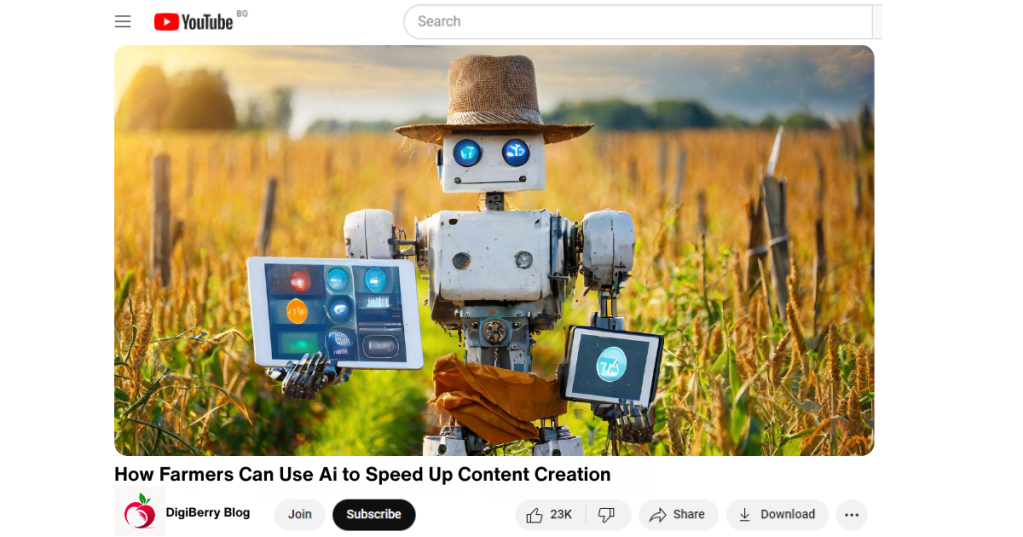
If you’re passionate about educating others about farming, YouTube is the perfect platform to share your knowledge.
Here’s why YouTube is great for your agricultural business:
- Educate your audience: Perfect for sharing in-depth content and tutorials
- SEO benefits: YouTube is the second largest search engine. Optimizing your videos for search can help you attract new viewers.
- Monetization: You can earn money from your YouTube channel through ads or sponsorships.
How to Use YouTube for Your Farm:
- Create “How-To” videos on growing different crops or managing a small farm.
- Showcase farm tours or behind-the-scenes looks at the farming process.
- Share videos that explain the importance of sustainable agriculture or organic farming practices.
- Use it as a platform to discuss your farm’s story and values.
Pro tip: Create a series of seasonal videos showing the farming process from planting to harvest.
SEO Tip: Use searchable keywords in your video titles and descriptions. Examples include “farming tips,” “organic gardening,” or “how to start a farm.”
5. TikTok: Short-Form Video Engagement

TikTok is a platform that may not immediately come to mind for farmers. But it’s a growing space for agricultural content, especially if you want to reach a younger audience.
It’s a great way to create short, engaging videos that showcase your farm’s personality.
Why TikTok is great for farmers:
- Rapidly growing platform, especially popular with younger audiences
- Perfect for sharing quick, entertaining glimpses of farm life
- Potential for content to go viral and reach a massive audience
How to Use TikTok for Your Farm:
- Share quick tips or facts about farming or produce.
- Post fun, behind-the-scenes videos of daily farm tasks.
- Create educational or entertaining content about different crops, animals, or sustainable practices.
Pro tip: Use trending sounds and participate in challenges to increase your chances of going viral.
SEO Tip: Use trending hashtags like #FarmTok, #SustainableFarming, or #FarmLife to increase visibility.
Now that you know the best platforms, here are some tips to help your social media presence flourish:
- Be authentic: Share the real stories of your farm, including the challenges
- Post consistently: Create a content calendar to stay organized
- Engage with your audience: Respond to comments and messages promptly
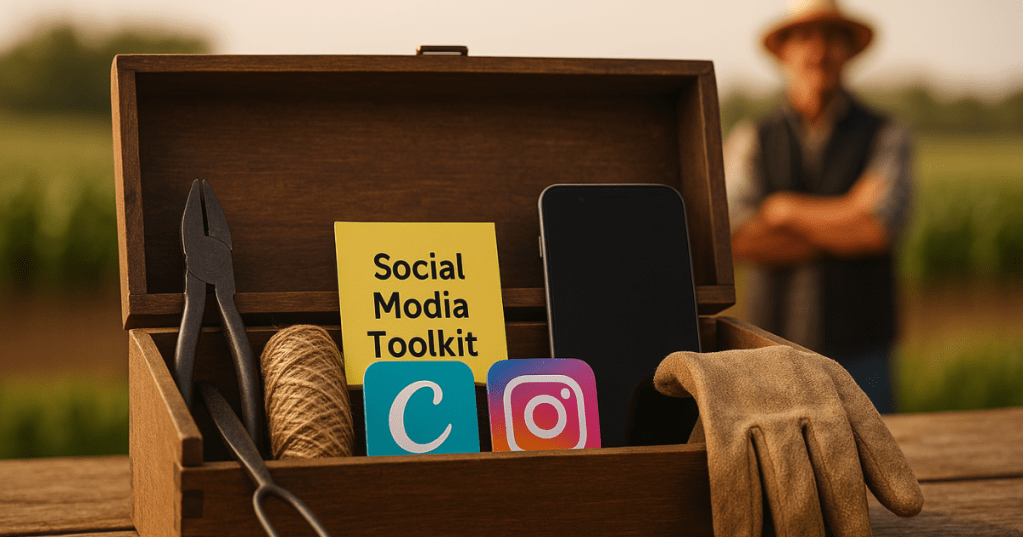
- Use high-quality visuals: Invest in a good smartphone camera or DSLR
- Track your results: Use analytics tools to see what content performs best
Remember, you don’t need to be on every platform. Choose one or two that resonate with you and your target audience, and focus on creating quality content there.


 DigiBerry
Leave a comment